The Allure of Casinos
Casinos have always been synonymous with excitement and anticipation. The thrill of stepping into an establishment filled with the sounds of spinning reels, shuffling cards, and the lively chatter of players creates an electric atmosphere that is hard to resist. Whether it’s the glitzy lights of a Las Vegas strip casino or the intimate setting of a local gaming hall, these spaces captivate the imagination of gamblers and casual visitors alike. The allure lies not just in the games, but in the possibility of a life-changing win, especially when engaging with safe online casinos canada that provide a secure gaming environment.
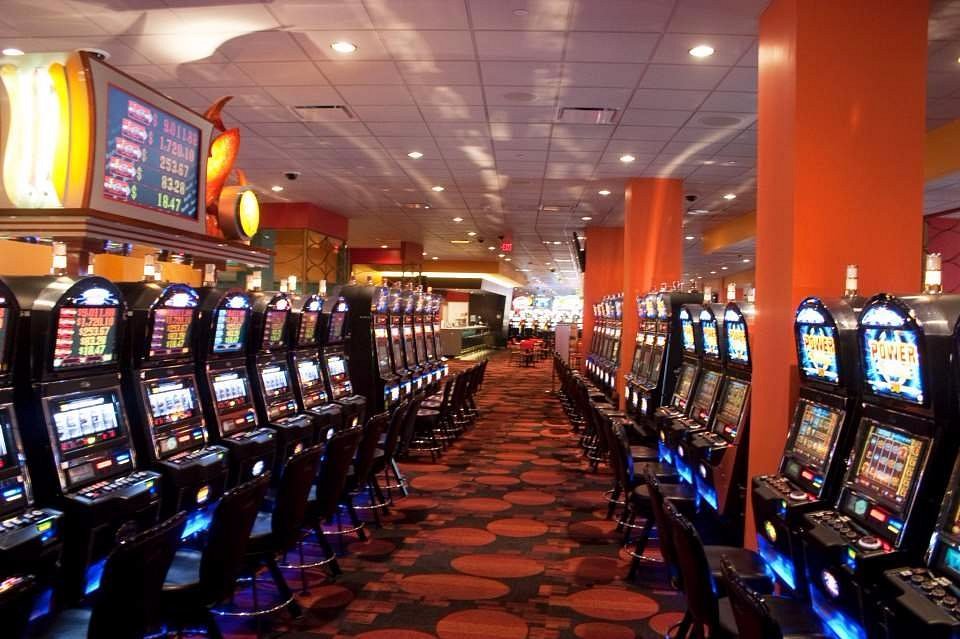
The visual spectacle and the sensory overload of casinos play a significant role in attracting visitors. From the luxurious décor to the enticing smells of fine dining, every element is designed to immerse players in an unforgettable experience. This blend of luxury and chance often prompts individuals to try their luck, not just at the gaming tables, but also in their own decision-making strategies as they place bets and navigate the odds.
Understanding Luck vs. Strategy
When it comes to gambling, the interplay of luck and strategy is a fascinating topic. Many games, such as slots, are largely driven by chance. Players insert their coins, press the button, and hope for a favorable outcome. However, other games, like poker and blackjack, involve a significant element of strategy. Players must make calculated decisions based on their cards, the likelihood of certain outcomes, and the behavior of competitors. This dynamic creates an intriguing tension within the casino environment.
While luck can lead to instant rewards, skilled players often rely on strategic thinking to maximize their chances of winning. Understanding the rules and probabilities of each game becomes crucial for those who wish to turn their fleeting luck into consistent success. The contrast between pure luck and strategic gameplay defines the unique charm of casinos.
The Role of Psychology in Gambling
Psychological elements play a pivotal role in the gambling experience—both for players and the operators of casinos. Marketing strategies are designed to tap into human emotions, creating a sense of urgency and excitement that encourages individuals to spend more time and money. The use of colors, sounds, and even scents are meticulously chosen to enhance the gaming experience and keep players engaged.
Moreover, understanding the psychological pitfalls of gambling, such as the illusion of control and the gambler’s fallacy, is essential for players. Recognizing these cognitive biases can empower individuals to approach their gambling habits more wisely. This awareness allows for a more responsible gaming experience, where players can enjoy the thrill without succumbing to the risks associated with excessive gambling.
Casinos in the Digital Age
With the advent of technology, the casino landscape has evolved significantly. Online gaming has surged in popularity, offering players the convenience of accessing their favorite games from the comfort of their homes. Virtual casinos provide a diverse array of options, from classic card games to innovative slots, all accessible on various devices. However, players must remain vigilant to ensure their gaming experiences are both enjoyable and secure.
Despite the shift to online platforms, the essence of excitement remains. Many online casinos replicate the immersive experience of traditional establishments through sophisticated graphics and interactive features. Additionally, live dealer games bridge the gap between physical and virtual gambling, enabling real-time interaction with croupiers and fellow players. This digital transformation keeps the spirit of casinos alive while embracing the modern needs of gamers.
Fostering Responsible Gambling
As the excitement of casinos continues to draw people in, the importance of responsible gambling cannot be overstated. Many casinos, both physical and online, are adopting measures to promote safe gaming practices. These initiatives include providing resources for players to understand the risks, setting limits on betting amounts, and offering self-exclusion options for those who may need a break.
Fostering a culture of responsible gambling ensures that the thrill of the experience does not come at the expense of personal well-being. Education and awareness about gambling behaviors and potential consequences are essential to maintaining a healthy relationship with gaming. As casinos evolve to meet the changing landscape, prioritizing player welfare has become a cornerstone of their operation, making the gaming experience enjoyable and safe for everyone.