Exploring the profound evolution of gambling through the ages
The Origins of Gambling
The history of gambling dates back thousands of years, with evidence of games of chance emerging in ancient civilizations such as Mesopotamia, Egypt, and China. Archaeological findings indicate that early forms of gambling were often tied to religious or spiritual practices. For instance, ancient Chinese documents mention the use of dice as early as 2000 BCE, showcasing how integral games of chance were to their culture. These initial forms of gambling were often simplistic, utilizing materials like bones and stones. Today, players can also enjoy online gaming experiences like penalty-shoot-out.games that reflect the thrilling essence of traditional gaming.

In ancient Rome, gambling took on a more organized form, with the establishment of betting on gladiatorial games and chariot races. Roman citizens would wager on the outcomes of these contests, which not only added excitement but also spurred social interactions among the populace. The Romans created the first rudimentary gaming houses, where individuals could come together to gamble in a communal setting. This laid the groundwork for the more sophisticated gaming establishments that would emerge in later centuries.
As societies progressed, gambling evolved alongside them, mirroring cultural shifts and technological advancements. The introduction of playing cards in the 14th century marked a significant turning point, leading to the establishment of various card games that are still popular today. This evolution was not just a transformation of materials or rules; it signified a growing acceptance and legalization of gambling, setting the stage for its future development.
The Rise of Casinos
The concept of the casino as we know it today began to take shape in the 17th century, primarily in Italy. The word “casino” itself derives from the Italian term meaning “little house,” which referred to small venues for social gatherings where gambling occurred. The first official casino, the Casino di Venezia, opened its doors in 1638, offering a mix of gambling, entertainment, and social interaction. This establishment set a precedent, and soon other European cities followed suit, creating their own versions of these gambling havens.
With the establishment of casinos, gambling transformed into a more structured and regulated activity. Governments began to see the potential for tax revenue from legal gambling establishments, leading to an increase in formal licensing and oversight. By the 19th century, casinos had spread throughout Europe, with notable centers emerging in places like Monte Carlo and Baden-Baden, attracting wealthy patrons eager to indulge in games of chance.
The American landscape of gambling changed dramatically with the arrival of the gold rush in the mid-1800s. Mining towns became bustling hubs of gambling activity, with establishments offering a range of games to miners looking to strike it rich. This period marked the birth of iconic games like poker and blackjack, which would later become staples in casinos worldwide. The foundation laid during this time set the stage for the glitzy casinos of Las Vegas and Atlantic City in the 20th century.
Modern Gambling Trends
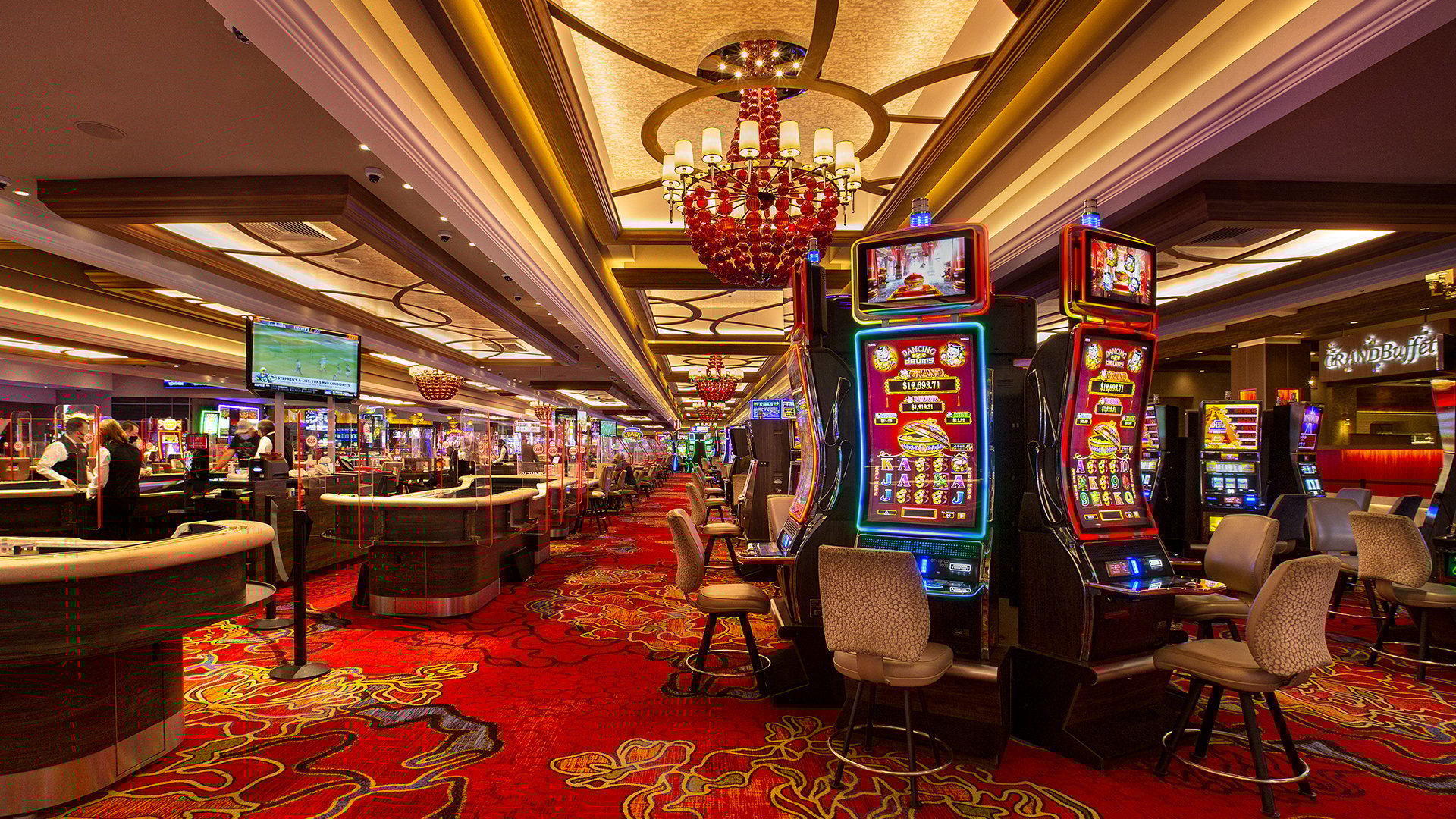
The 20th century saw a significant shift in gambling attitudes, particularly in the United States. The legalization of gambling in Nevada in 1931 paved the way for the rise of Las Vegas as a premier gambling destination. The introduction of slot machines and elaborate casino resorts transformed the gambling experience, making it more accessible to the general public. Las Vegas became synonymous with glamour, featuring extravagant shows and entertainment alongside traditional gaming.
Technological advancements also played a crucial role in reshaping the gambling industry. The rise of online gambling in the late 1990s and early 2000s revolutionized how people engage with gambling. With the click of a button, players can access a multitude of games from the comfort of their homes. Online casinos offer a range of options, from classic card games to innovative slots, catering to a diverse audience and significantly expanding the market.
Additionally, the advent of mobile technology has further transformed the gambling landscape. Players can now enjoy their favorite games on smartphones and tablets, allowing for gaming on the go. This level of convenience has increased participation and engagement, particularly among younger audiences. The convergence of technology and gambling has sparked new trends, such as live dealer games, which provide an immersive experience by combining the thrill of real-time interaction with the convenience of online play.
The Future of Gambling
As we look to the future, the gambling industry continues to evolve rapidly, influenced by changing demographics and technological innovations. One of the most exciting developments is the integration of virtual reality and augmented reality into gambling experiences. These technologies promise to create immersive environments that simulate the excitement of physical casinos, making players feel as if they are truly part of the action, no matter where they are.
Another significant trend is the increased focus on responsible gambling practices. With greater awareness of gambling addiction and its impacts, both online and traditional casinos are implementing measures to promote safe gaming. This includes offering self-exclusion options and providing resources for those seeking help. Regulatory bodies are also stepping up their efforts to ensure that gambling remains a safe and enjoyable activity.
Cryptocurrency and blockchain technology are poised to revolutionize the financial aspects of gambling. The use of cryptocurrencies can offer players anonymity and quicker transactions, while blockchain technology can enhance transparency and fairness in gaming operations. As these innovations continue to gain traction, they could fundamentally change how players engage with gambling in the years to come.
Conclusion
Today’s gambling landscape is a rich tapestry woven from a long history of cultural evolution and technological advancement. From ancient practices rooted in chance to the sophisticated casinos and online platforms of today, gambling has transformed dramatically. This ongoing evolution reflects broader societal trends and consumer preferences, paving the way for a dynamic future.
As the industry adapts to new technologies and changing regulations, it remains vital for players to stay informed about the trends that shape their experiences. Understanding the history and future of gambling can enhance one’s appreciation of this complex world, whether for enjoyment or profit. The journey of gambling through the ages is a testament to humanity’s enduring fascination with chance and the thrill of risk.